Pete Hegseth swung his axe Wednesday and another head rolled. This time, US Navy Secretary John Phelan. Removed from office ‘effective immediately’, Pentagon spokesperson Sean Parnell said on X. No further details were provided.
Sources would only tell Politico it was in part over a new and “hugely expensive” class of warships the Defence Secretary and his deputy, Stephen Feinberg, just didn’t want, preferring instead to pivot to mass-produced sea attack drones.
But Phelan, a civilian appointment endorsed by Donald Trump, kept pushing the ‘Golden Fleet’ vision that would have the lead warship in this proposed new class as its command hub, and would have cost billions to even start development.
And the class name? That’s potentially the best part of this story – Trump.
Two people familiar with developments told Politico the name was conceived “to curry favour with the president”. But Hegseth, was not impressed. The plans are “not at all aligned with where Hegseth and Feinberg want to go”, one source told Politico.
This was despite Hegseth and Secretary of State Marco Rubio flanking the president when he announced plans for the ‘Golden Fleet’ and his Trump-class vessels; “They’ll be the fastest, the biggest and by far, 100 times more powerful than any battleship ever built…” the president had said at his Mar-a-Lago residence in Florida in December 2025.
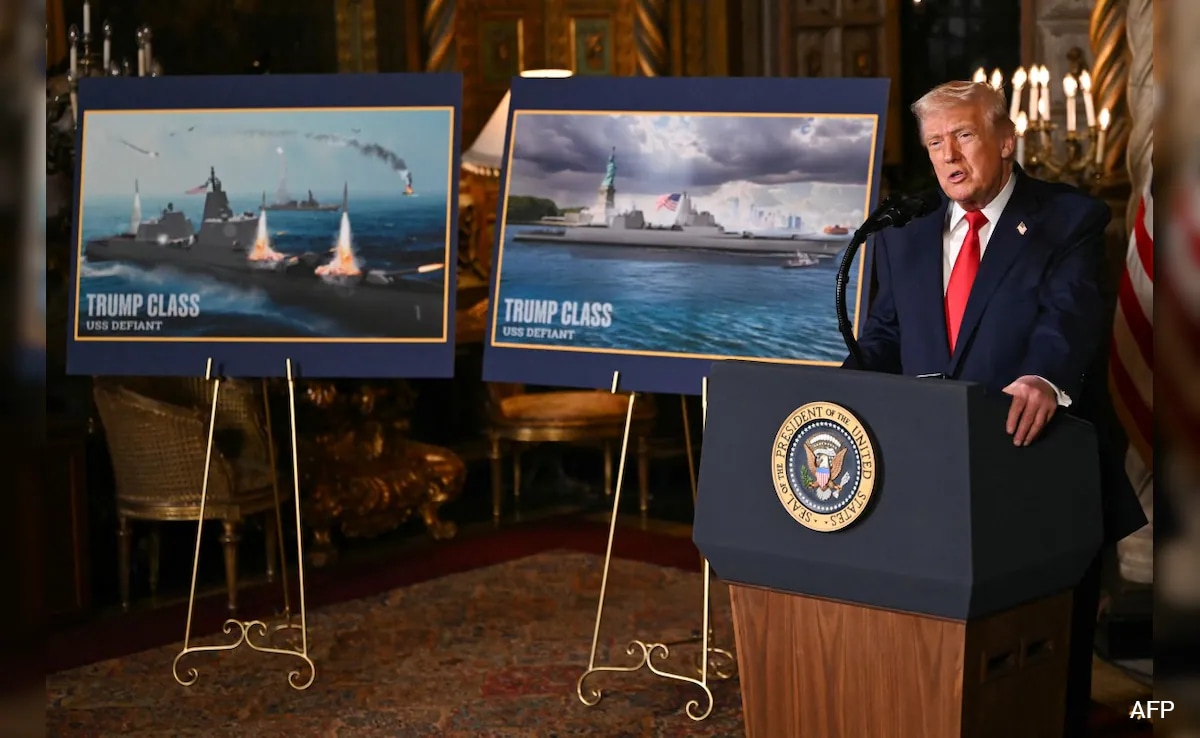
Trump unveils plans for a new battleship class, named after himself.
And so the axe has swung and Phelan – a billionaire who helped finance Trump’s presidential campaign – was in the White House when told the news. No formal statement has come from the US government, so far.
Plot twist: Budget sails on
The ships aren’t gone, though. Not yet, anyway.
The Navy presented a $377.5 billion budget for FY27, part of a staggering $1.5 trillion ask from the Pentagon. At the centre of it are plans for a ‘next-generation battleship’ – the Trump-class – to restore American dominance of the high seas.
This was pitched as a critical given China’s increased naval focus.
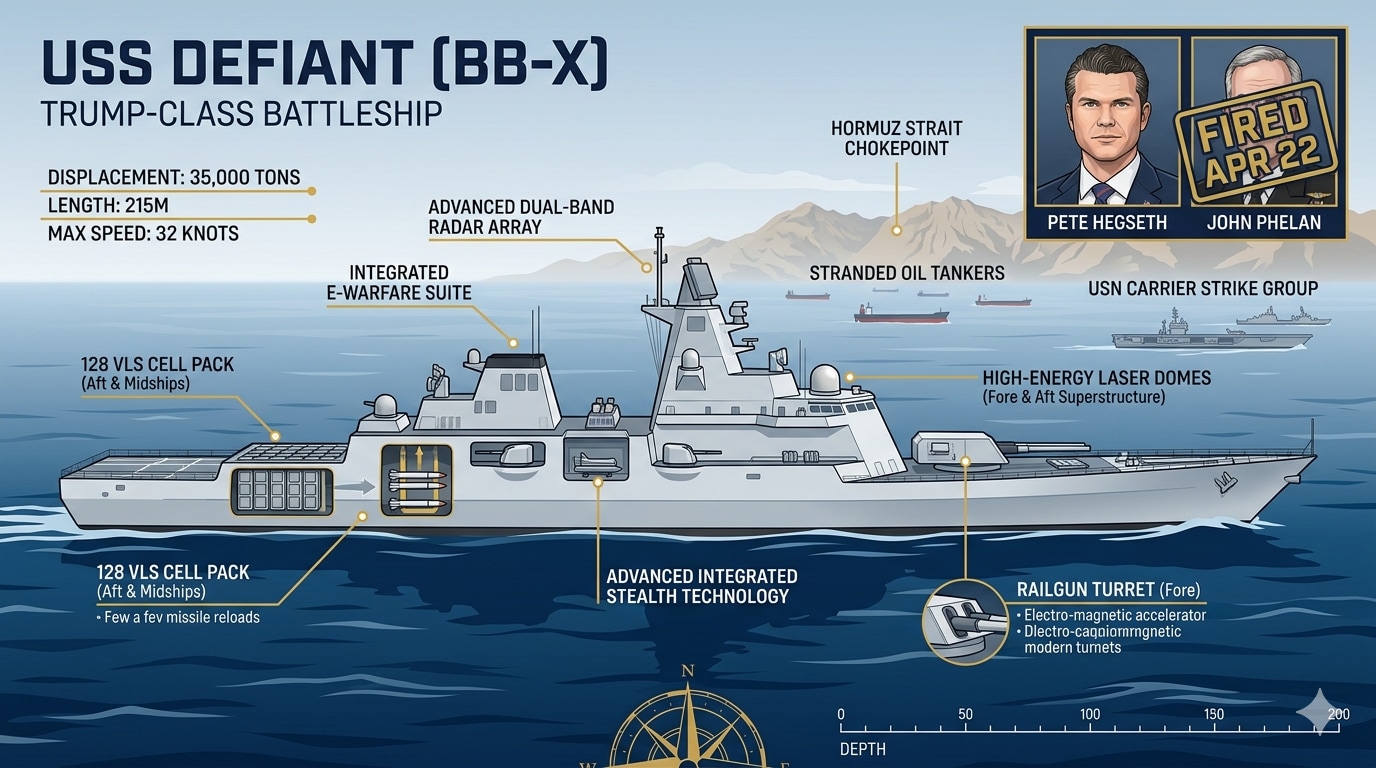
Image generated by AI
Not much, perhaps, should be read into the Navy presenting the Trump-class project in its budget; these plans were already part of documents prepared for the April 21 submission.
Phelan was sacked April 22.
But why push something the Pentagon’s boss suddenly did not want?
Were the Trump-class warship plans simply a muscle flex for the world – a sign the US is pushing the boundaries of naval warfare, even as they are challenged by the Chinese and, now, Iran?
Or was retaining them in the budget a strategic move – Hegseth hedging his bets in anticipation of an irate Trump when he finds plans for futuristic warships in his name have been junked?
Or is there to the Phelan sacking than is evident at this time?
Advantage, China?
Either way, the US has a problem.
Beijing has already transitioned from a largely coastal defence-only force to a deep-water fleet that is, by hull count alone, believed to be the largest in the world. In simple terms, the Chinese have warships, lots of them.
They also have three aircraft carriers and plans to build a fourth.
The war in Iran – specifically Tehran’s squeezing of the Strait of Hormuz – has underscored the world’s dependence on seaborne energy supply lines and maritime chokepoints, and how these likely become future targets.
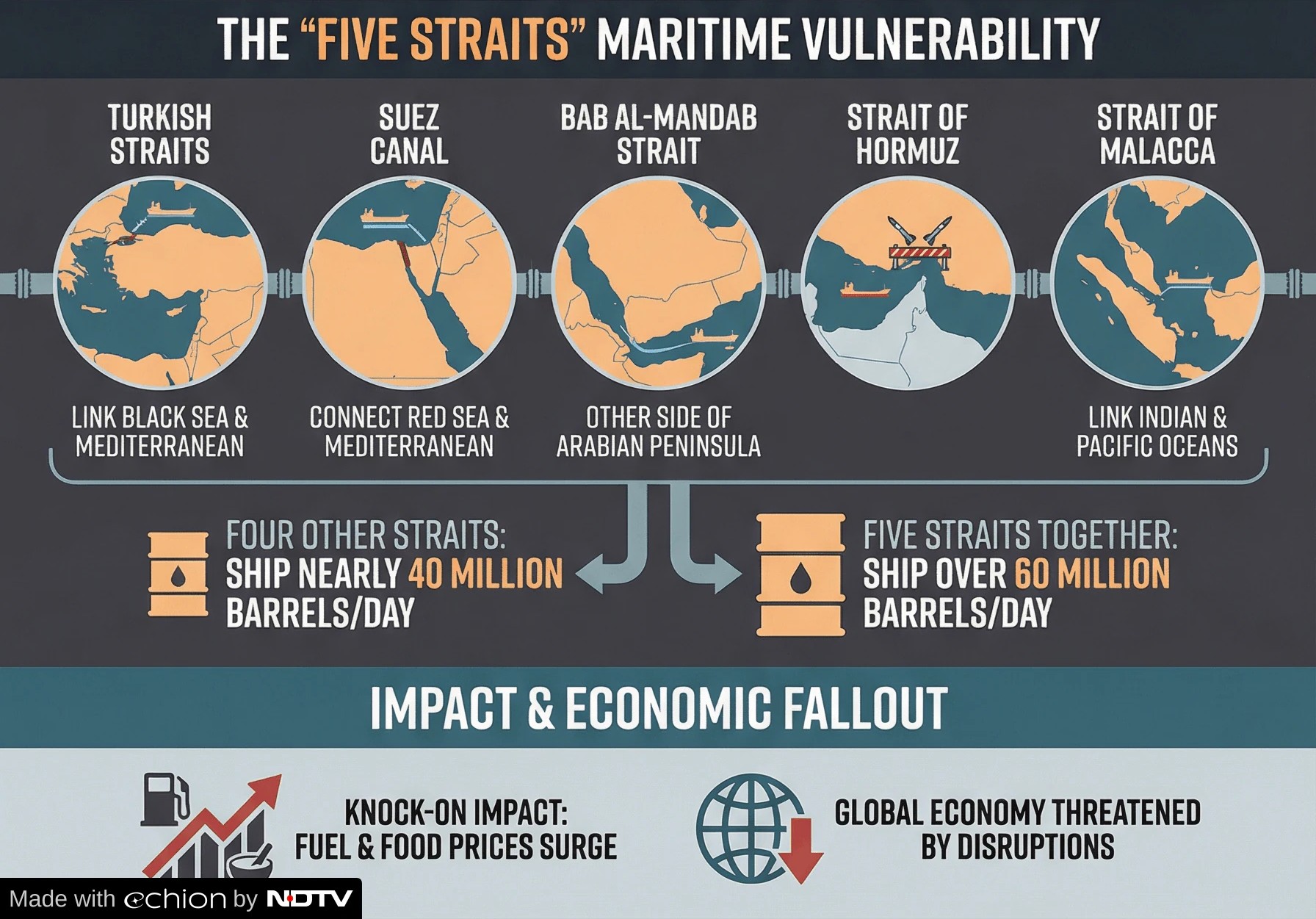
Image generated by AI
Washington’s move to guarantee itself surveillance rights over the Malacca and Caribbean shipping passages, as well as pushing to have its authority over Hormuz recognised, suggests Trump knows this too.
Malacca Gambit: How China Oil-Choke Strategy Could Backfire On Trump
To establish and maintain naval superiority at these chokepoints, and have assets in reserve, the US needs boats on the water. And it doesn’t have them, at least not as many as China.
Multiple reports indicate Beijing has between 350 and 840 ships of varying sizes and battle purposes. The US has only 290 to 465, though these are significantly more advanced. The US also has an advantage in firepower and fleet capabilities.
The $17B, 35,000+ ton gamble
Phelan’s proposed ships are 880 feet-long 35,000+ ton guided missile battleships armed with Tomahawks, a full electronic warfare suite, and a flight deck with an enclosed hangar.
The size puts them on par with the Navy’s amphibious assault ships – the USS Boxer and USS Tripoli, for example – deployed in the Iran war, and which can double as aircraft carriers.
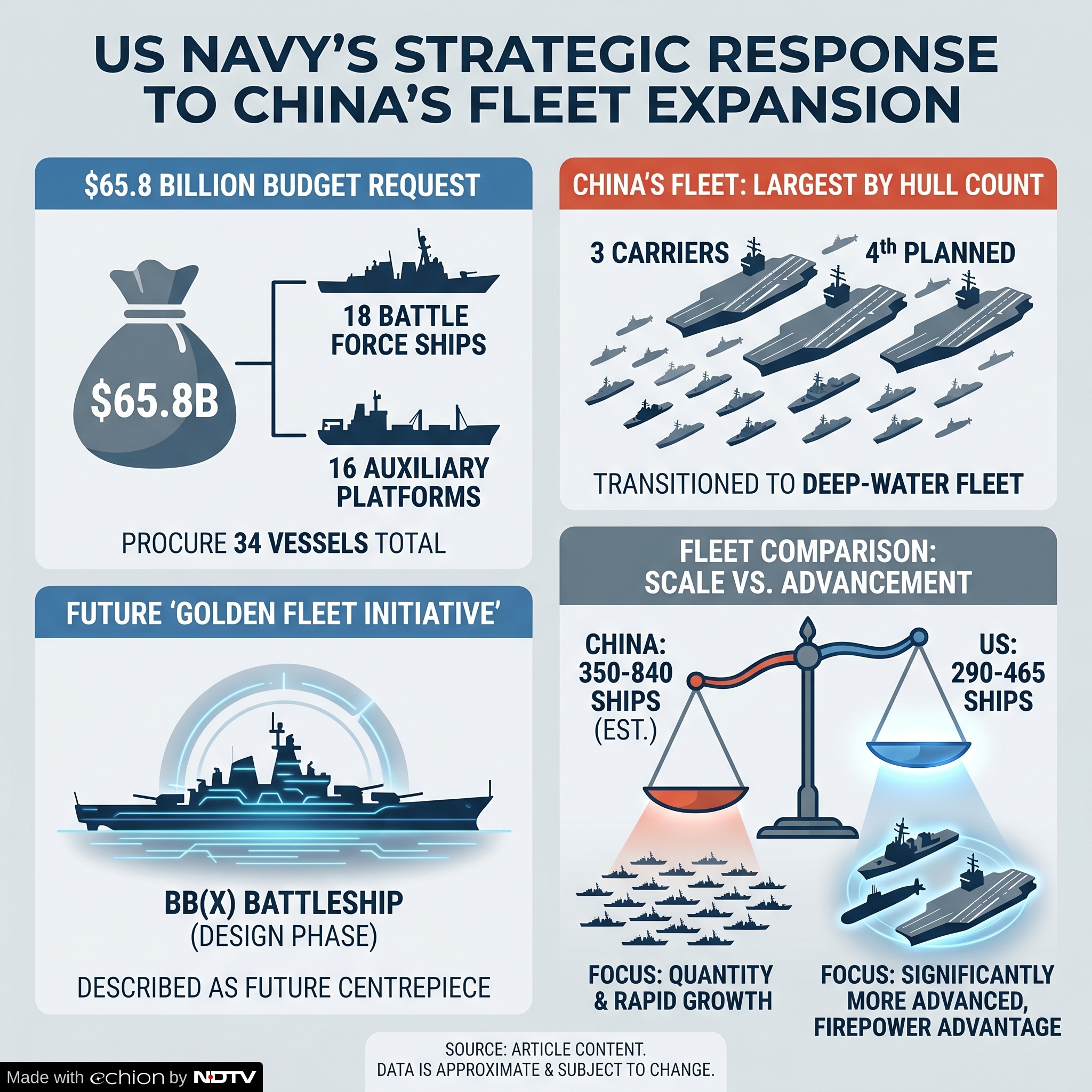
Image generated by AI
They would also have futuristic hypersonic, nuclear, and directed-energy weapons; think railguns, electricity-powered weapons that fire metal slugs at hypersonic speeds.
Unconfirmed reports indicate the lead ship in the class – USS Defiant – could cost as much as $17 billion, with others priced at US9-15 billion each. The overall cost – $43.5 billion for the first three, with total hull count expected to settle at 10.
Pentagon purge
Phelan was No 4, the fourth senior Pentagon leader sacked in April.

John Phelan (File).
Not great advertisement, Trump’s critics argue, for a government and military claiming to have ‘crushed’ the Iranians and won a great victory over the Strait of Hormuz, which remains shut.
The sacking follows a hat-trick of firings on April 1-2 – three senior generals, including Army Chief of Staff General Randy George; General David Hodne, Commander, Army Training and Doctrine Command/Transformation; and Major General William Green Jr, the Army Chief of Chaplains.
The firings (and forced resignations) haven’t had an impact on the war in Iran, at least not publicly, but they have hit troop morale, multiple US media reports have said, and raised broader questions about need for military leadership re-alignment in war time.