Boots on the ground. The arrival of nearly 5,000 United States troops, including 2,500 Marines, in West Asia last week taking the number in the region to more than 50,000, an unmistakable signal the United States’ war on Iran has now gone the way of other American military interventions.
And the Pentagon plans to ship another 10,000 ground troops, US media reports have said.
The US normally has around 40,000 troops scattered across West Asia; this includes sailors on warships in the region and in air bases in Qatar, the UAE, Saudi Arabia, Iraq, Syria, and Jordan.
A bad sign, say critics and experts with memories of prolonged fighting and instability in Iraq and Afghanistan, ‘forever wars’ into which Donald Trump vowed never to drag the United States.
Ground invasion looms as Trump ponders next move
US troop deployment has ramped up over the past week as the US President ponders a risky ground invasion. The ‘why’ is unclear; it is to either secure Kharg Island and its oil stores or secure Iran’s reported stockpile of around 400kg of enriched uranium, enough to make nuclear bombs and ‘missing’, the US believes since the June 2025 bombing of the Fordow facility.
Current and former military analysts believe a third ‘why’ could be to deploy along Iran’s southern coast to break its chokehold on the Strait of Hormuz – through which a fifth of the world’s crude oil and gas ships – and restore tanker traffic to something near pre-war levels.
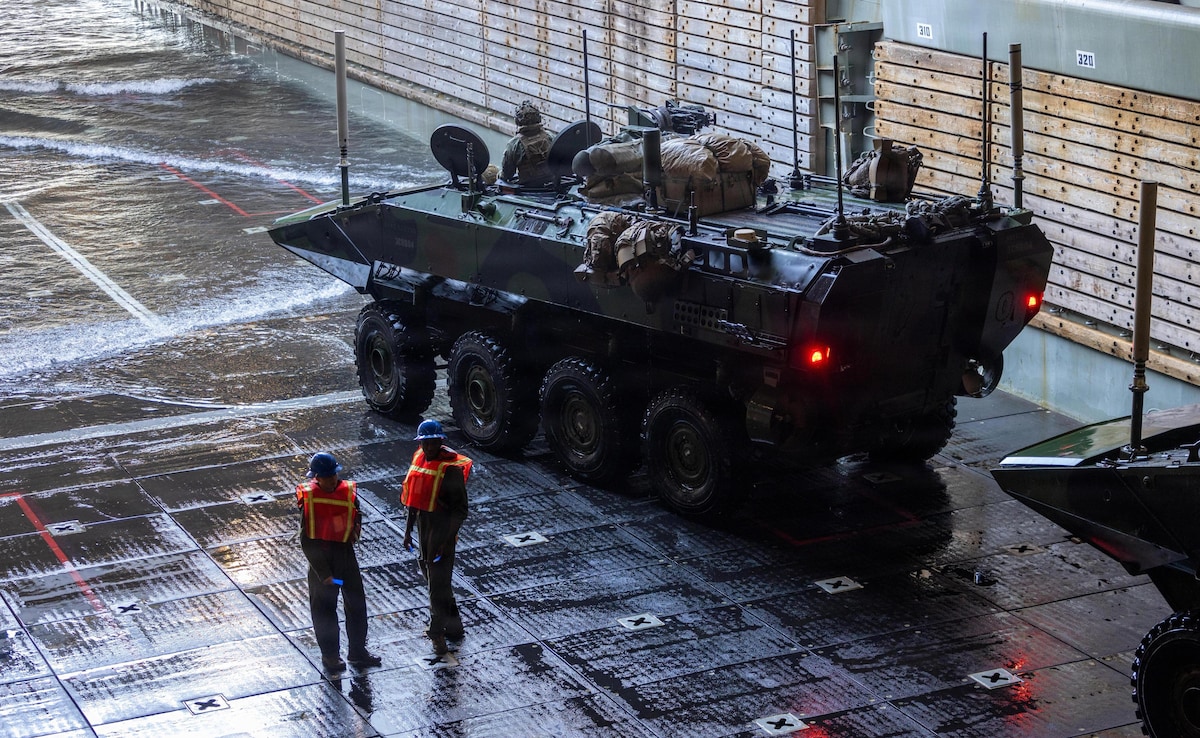
Image posted on X by @USMC
And underlying all of these ‘why’ statements is the spectre of regime change, which Washington and Tel Aviv have spoken about, and something which will certainly require boots on the ground.
Either way, what is clear is the American military build-up initiated in January 2026 – believed to be the largest of its kind since 2003 – indicates the war is likely far from over and stuttering peace talks between Washington and Iran, negotiations the latter has publicly snubbed.
ARGs, Marines, paratroopers flood into Gulf theatre
The latest confirmed troop movements were Saturday; US Central Command said on X the USS Tripoli, carrying 3,500+ sailors and Marines from the 31st Marine Expeditionary Unit had arrived.
The Tripoli is part of elite ARG, i.e., Amphibious Ready Group, that is considered “the most versatile, flexible, and lethal global response force the United States has to offer”.
On March 24, 2,000 paratroopers from the 82nd Airborne Division – part of the US’ ‘immediate response force’ – were ordered to West Asia, the New York Times reported. Within 24 hours a few thousand – Reuters said between 1,000 and 4,000 troops – more were told to march in.
Their location is classified, Pentagon officials told The New York Times, but said the force will be stationed ‘within striking distance of Iran’s Kharg Island’, a critical bit of information.
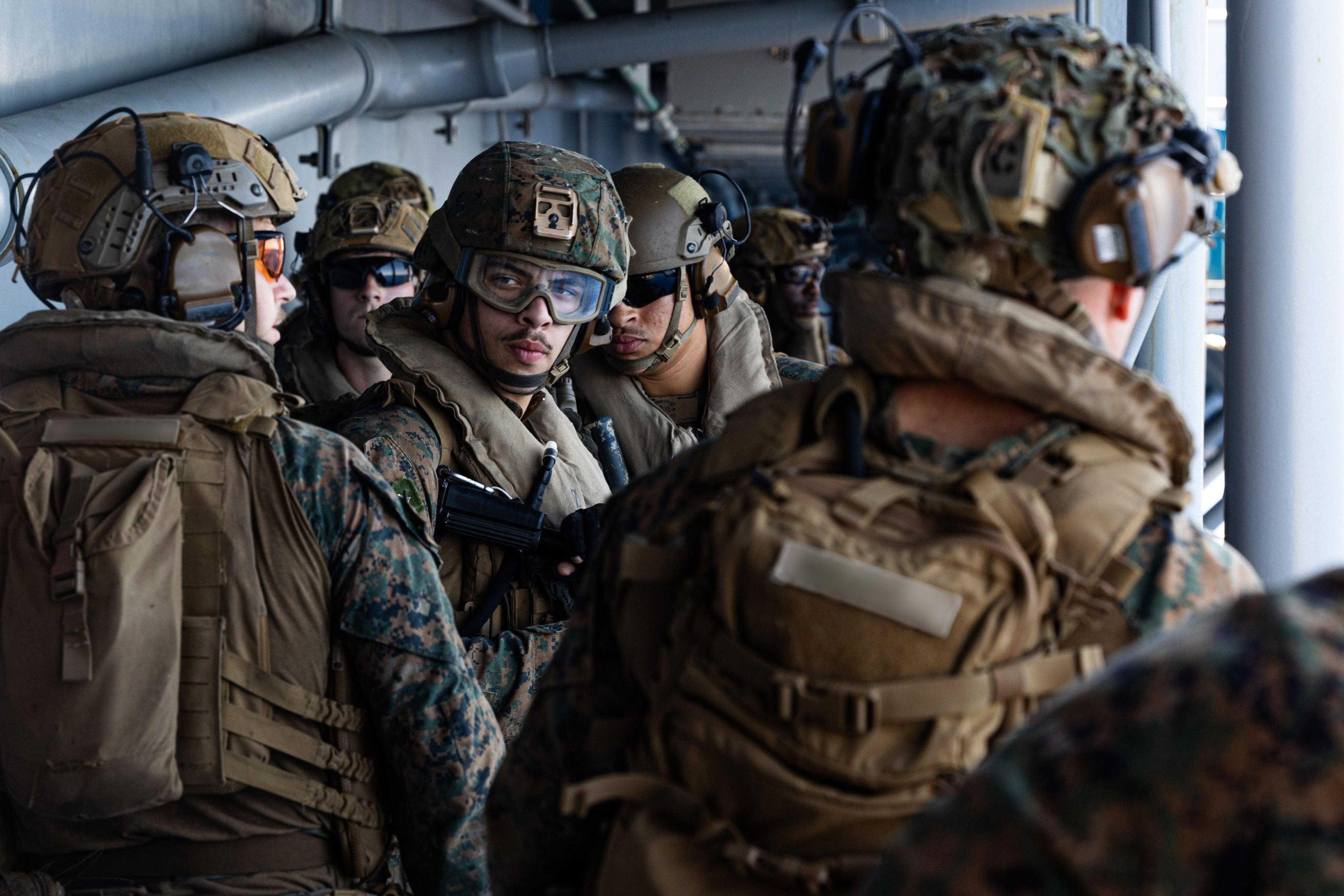
Marines stationed on the USS Tripoli ARG are now part of the war. Photo: US CENTCOM
Four days earlier 2,500 Marines and sailors on the USS Boxer, an ARG part of the 11th Marine Expeditionary Unit were dispatched from California and are en route.
The Boxer doubles up as a carrier for F-35B stealth fighters, crucial given the USS Gerald R Ford, the US’ flagship US$13 billion carrier, the most advanced ever built, is out of commission.
The carrier docked in Croatia Friday last for repairs after what the US Navy said was a “laundry fire” only for Trump to turn around and claim the ship had been successfully targeted – hit 17 times – by Iranian forces.
That means the 4,500 sailors on the Ford are out of this war, for now.
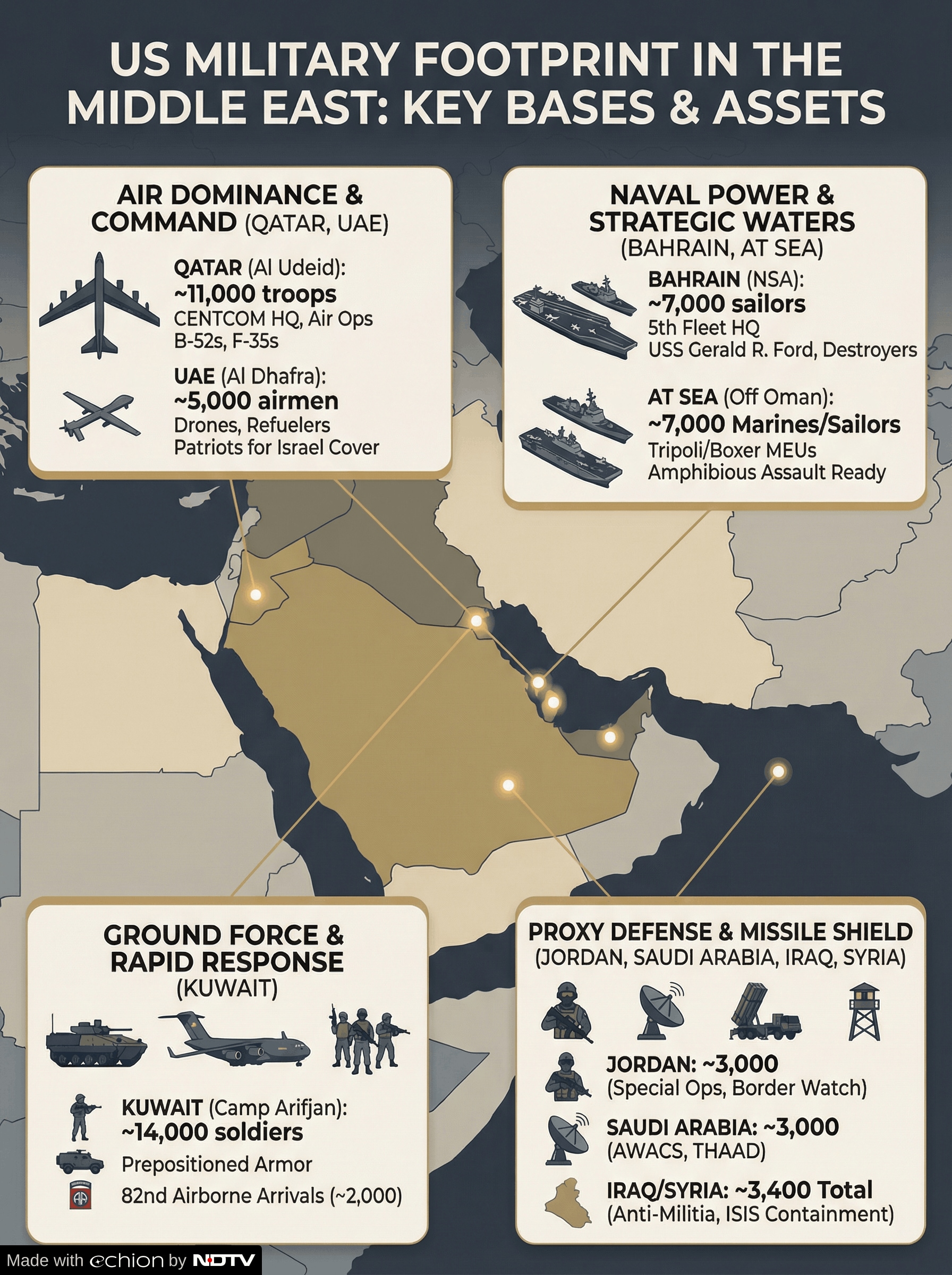
Image generated by AI
But more are coming.
To likely offset the Ford’s departure, Washington is sending a third carrier – the George HW Bush strike group that departed the US Navy HQ in Norfolk.
All of this excludes US military personnel already stationed in this theatre.
Fixed bases anchor 40,000-troop West Asia backbone
The US maintains major air bases in Qatar (Al-Udeid) and the UAE (Al-Dhafra).
The former has around 11,000 personnel, is the CENTCOM HQ, and operates stealth aircraft like the B-52 bomber and F-35B fighter, as well as air defence systems against missile threats.
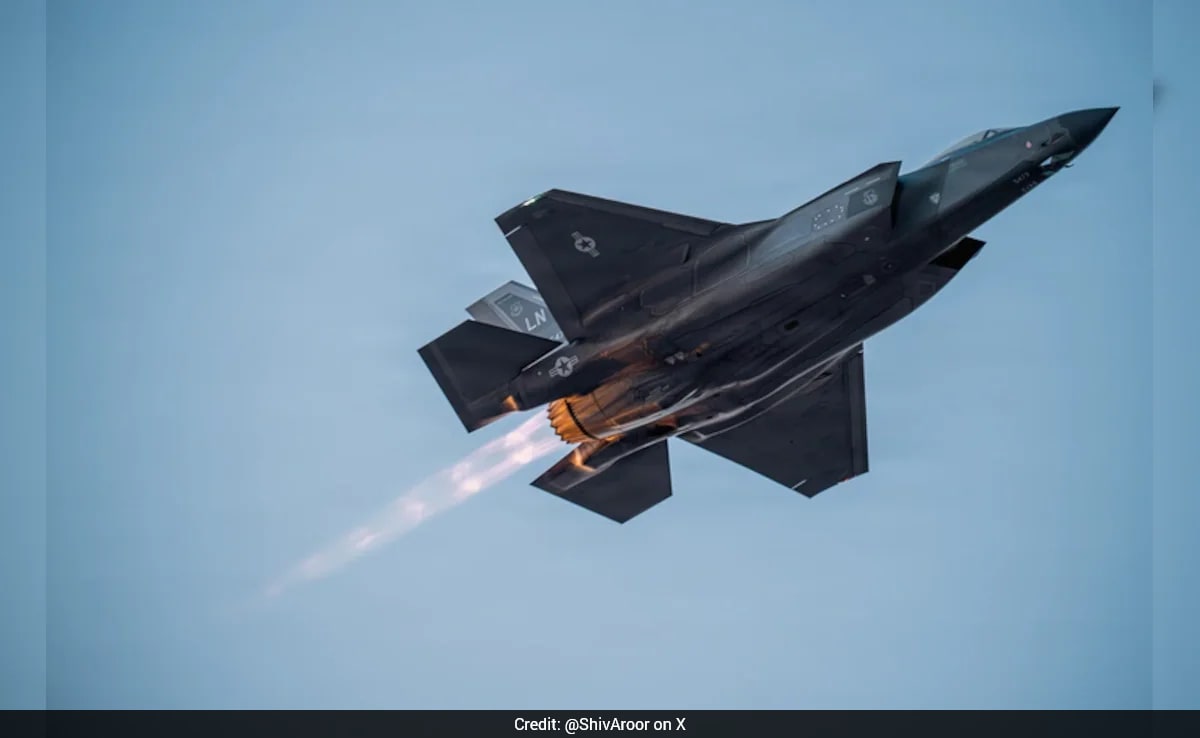
A USAF F-35 stealth fighter jet.
The naval support installation in Bahrain houses around 7,000 sailors and is a is the 5th Fleet HQ, while Camp Arifjan in Kuwait has around 14,000 soldiers, including the 82nd Airborne.
Echoes of 100,000-troop Afghanistan nightmare
The current troop build-up also has uneasy echoes of the war in Afghanistan. The US started that with a limited deployment – about 3,000 – after 9/11 but ramped that up quickly.
At its maximum there were over 100,000 under President Barack Obama.
Some Trump allies including former Ukraine envoy Keith Kellogg and Republican Senator Lindsey Graham have touted troop deployments as necessary to force Tehran to capitulate.
SPECIAL | Iraq, Iran, And United States-Led Regime Change
Yet the regime has warned of even greater retaliation if the US goes ahead with that plan, and opposition has grown among Republicans, as well as Democrats, about the dangers involved.
Among the concerns: troops will be poorly equipped to defend themselves in a drone-saturated battlescape fundamentally different from past conflicts. And Iran has vowed to mine the Persian Gulf, which will impair any prospective American naval operation to re-open the Hormuz.
Casualties could far surpass the 13 American servicemembers killed so far.
With input from agencies
NDTV is now available on WhatsApp channels. Click on the link to get all the latest updates from NDTV on your chat.